Introduction
When people think about Tortuguero, they usually picture sea turtles nesting along the Caribbean shoreline. While this remarkable natural event attracts visitors from around the world, it represents only one chapter of a much larger story.
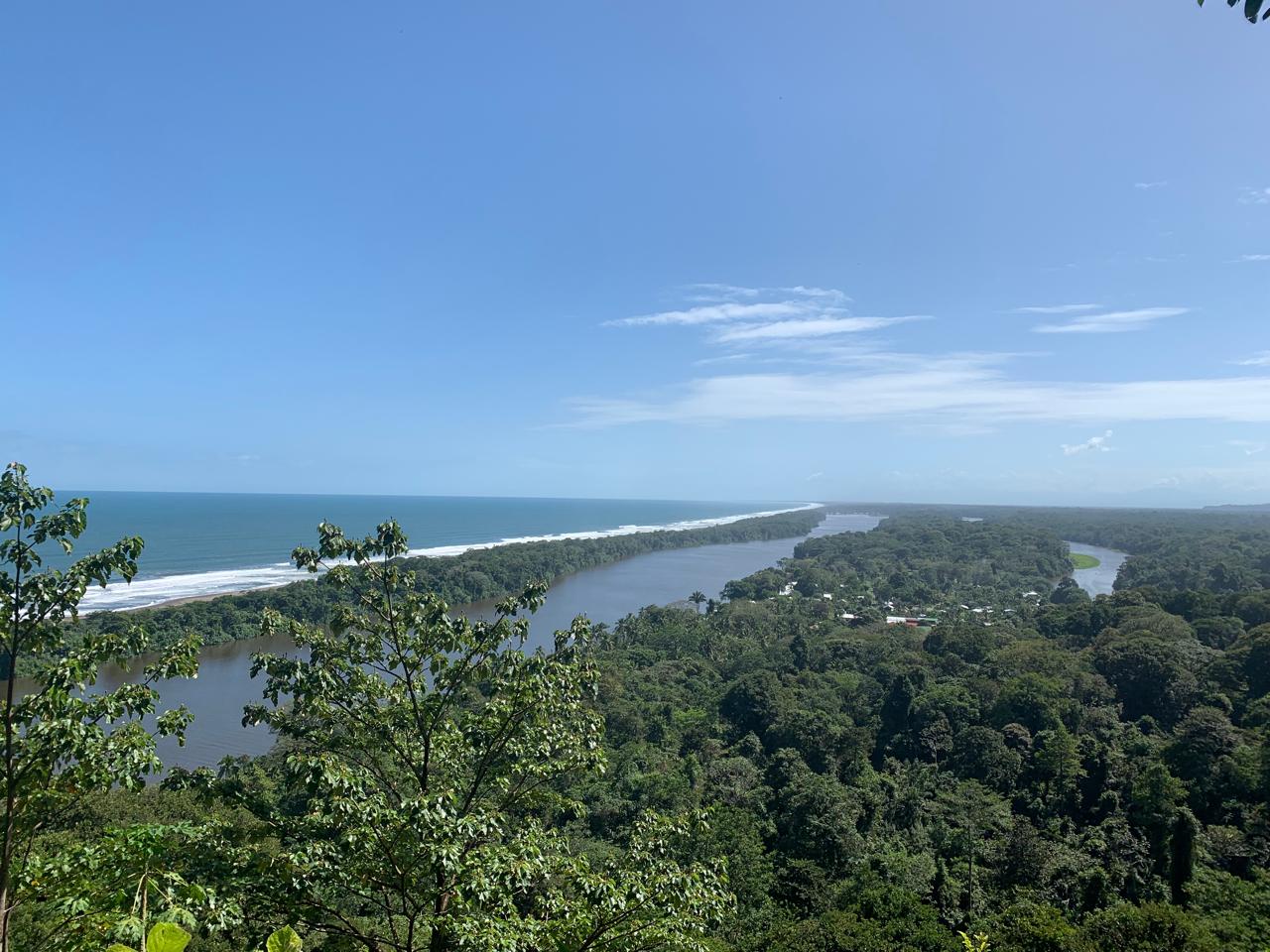
Hidden within Costa Rica's northeastern Caribbean coast lies a destination unlike any other in Central America. Tortuguero is a place where dense rainforest meets winding waterways, where wildlife thrives in one of the country's richest ecosystems, and where nature still determines the rhythm of everyday life.
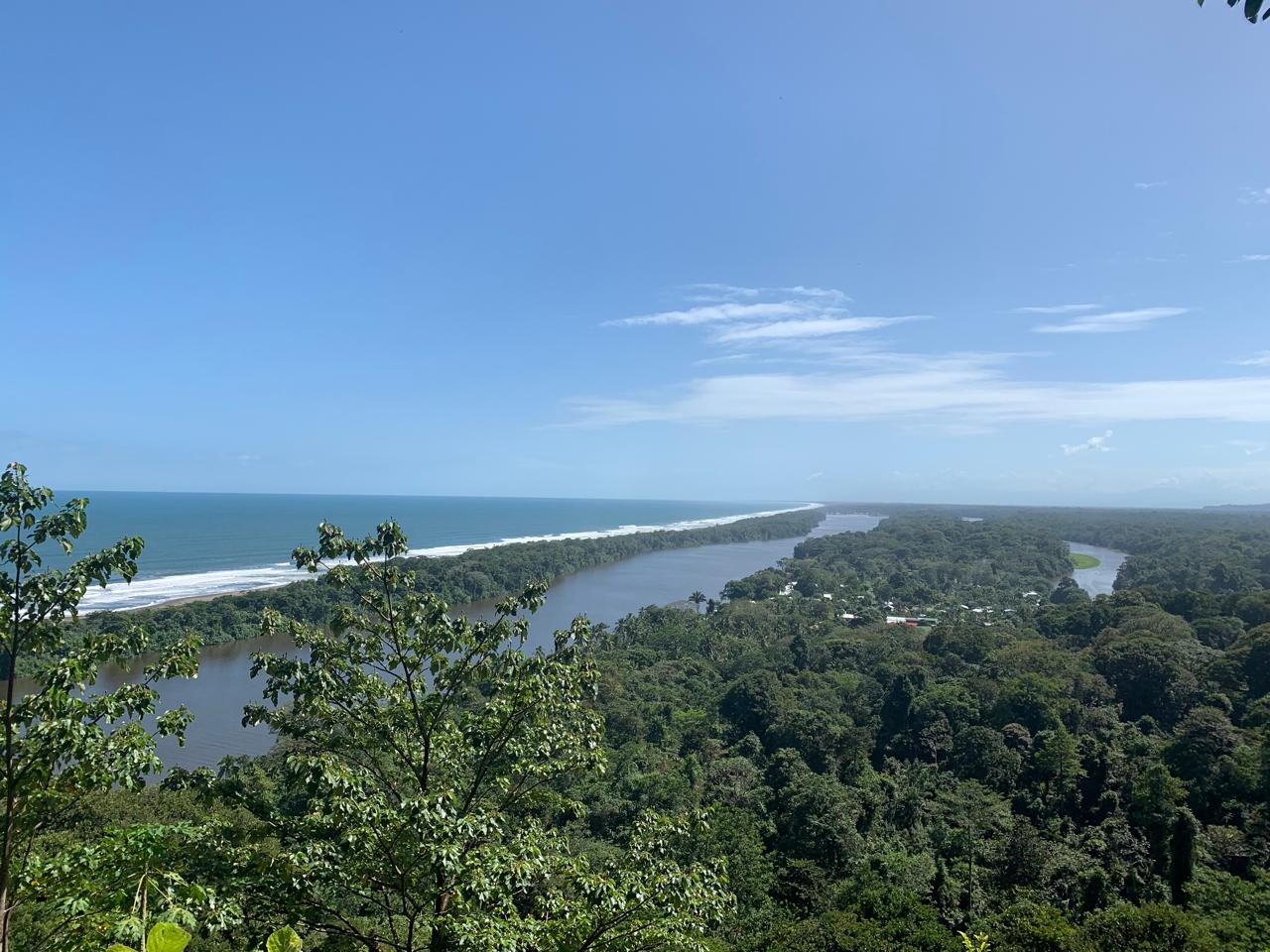
Unlike many popular tourist destinations, Tortuguero offers something increasingly rare in today's world: authenticity. Here, transportation happens mainly by boat, mornings begin with the sounds of tropical birds instead of traffic, and every canal reveals a new opportunity to encounter wildlife in its natural habitat.
Whether you're planning your first visit or simply want to understand why Tortuguero has become one of Costa Rica's most iconic ecotourism destinations, these fascinating facts will help you appreciate what makes this extraordinary region truly unique.
1. There Are No Roads Connecting Tortuguero to Most of Costa Rica
One of the first surprises for visitors is discovering that there are no highways leading directly to Tortuguero.
Unlike destinations such as La Fortuna, Monteverde, or Manuel Antonio, Tortuguero cannot be reached by simply driving to your hotel. Instead, travelers complete the final part of their journey aboard a boat that navigates through rivers and canals surrounded by lush tropical rainforest.
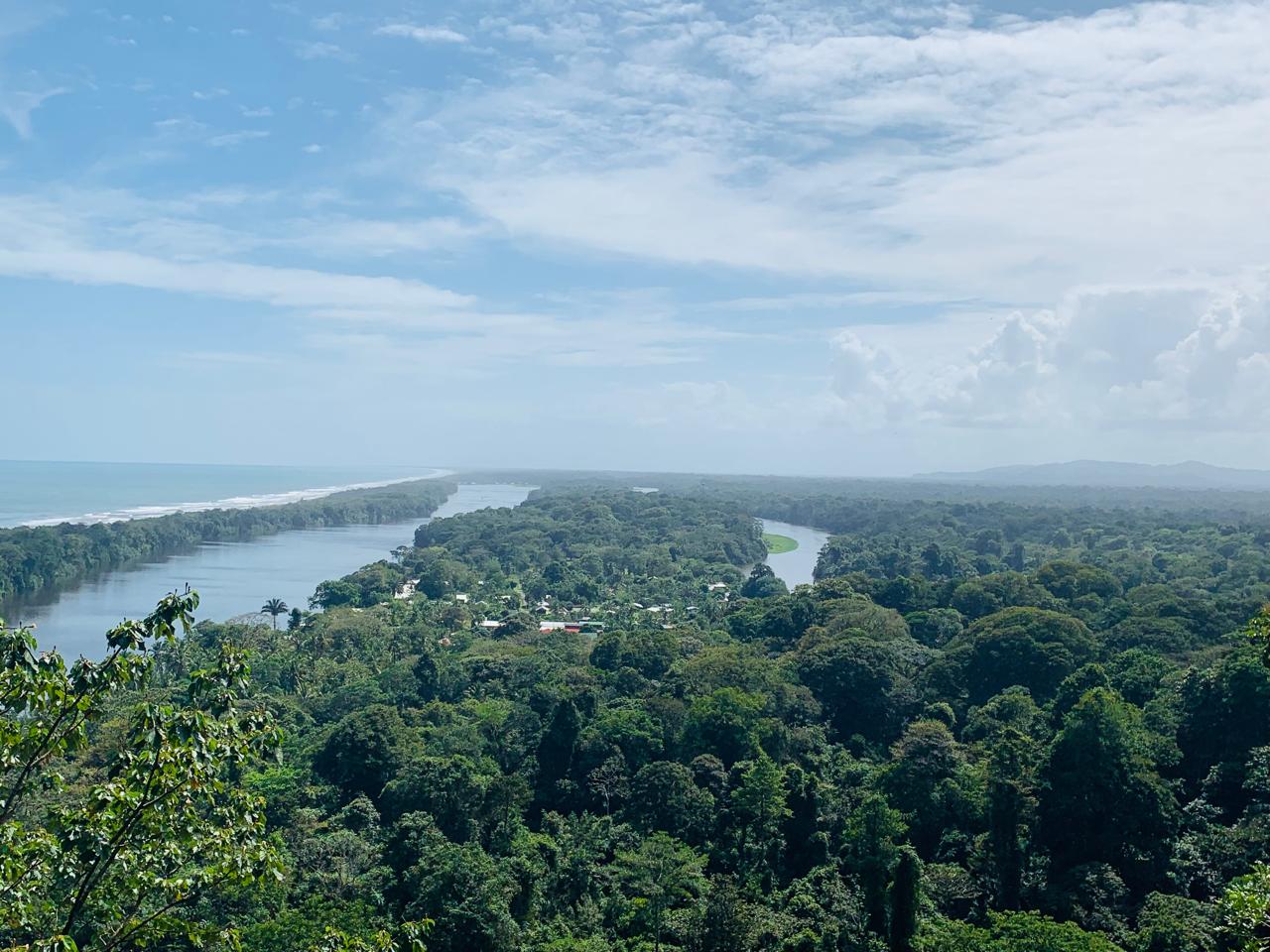
Far from being an inconvenience, this unique access is one of Tortuguero's greatest strengths.
The absence of roads has helped preserve the area's pristine ecosystems for decades. Without heavy traffic, large-scale urban development, or constant vehicle noise, wildlife continues to flourish throughout the region.
The journey itself becomes part of the adventure.
As your boat glides through calm waterways, it's common to spot monkeys swinging through the trees, colorful birds flying overhead, iguanas basking along the banks, and even crocodiles resting near the water's edge before you've even reached your destination.
For many visitors, this unforgettable arrival marks the true beginning of their Tortuguero experience. Planning your route in advance makes the journey seamless — explore our guide on transportation to Tortuguero.
2. Tortuguero Is One of the World's Most Important Green Sea Turtle Nesting Sites
Tortuguero earned its international reputation thanks to one of nature's most extraordinary spectacles: the nesting of the green sea turtle.
Every year, between July and October, thousands of female green sea turtles return to the same beaches where they were born decades earlier. Guided by Earth's magnetic field and remarkable natural instincts, these ancient marine reptiles travel thousands of kilometers across the Caribbean Sea to continue a life cycle that has existed for millions of years.
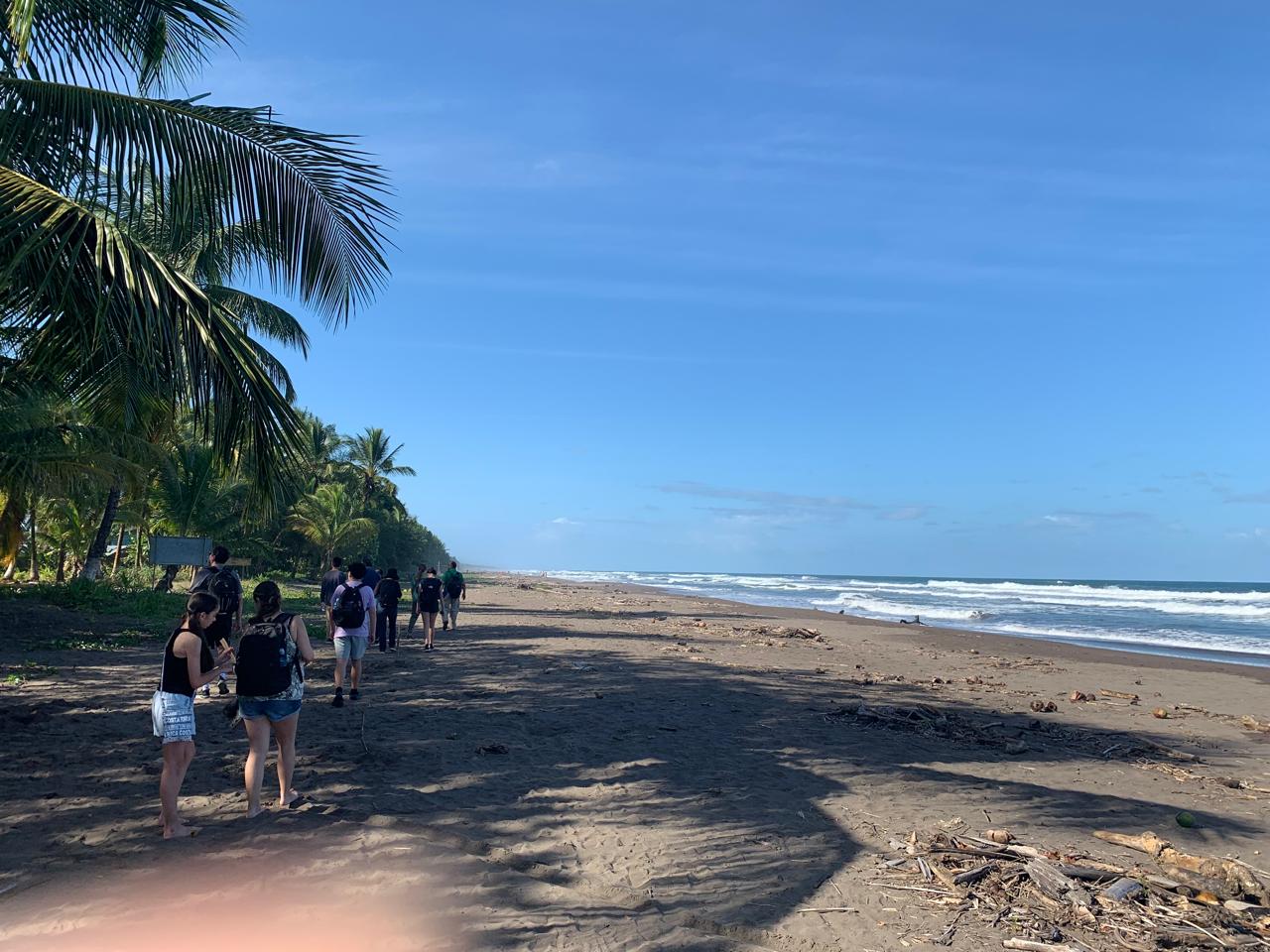
Under the cover of darkness, each turtle slowly emerges from the ocean, carefully selects a nesting site above the high tide line, digs a nest using her powerful rear flippers, and lays around one hundred eggs before covering them with sand and returning silently to the sea.
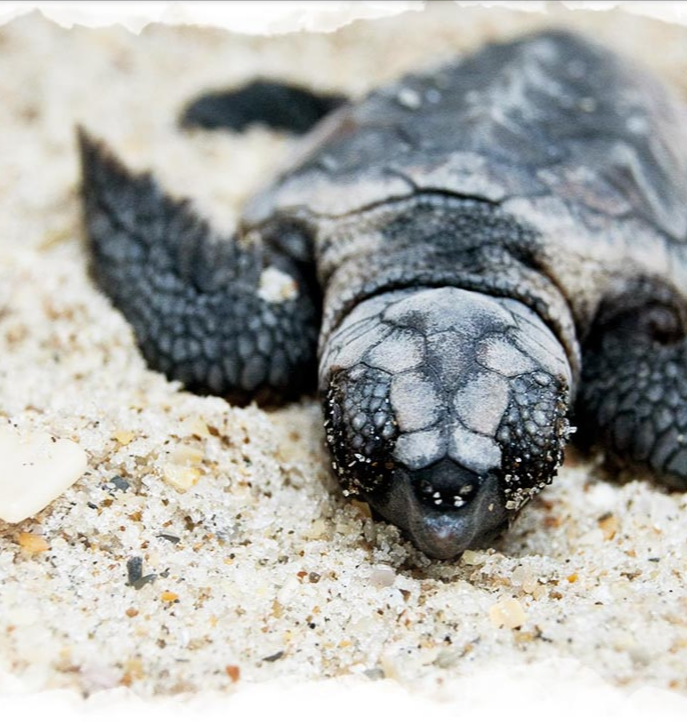
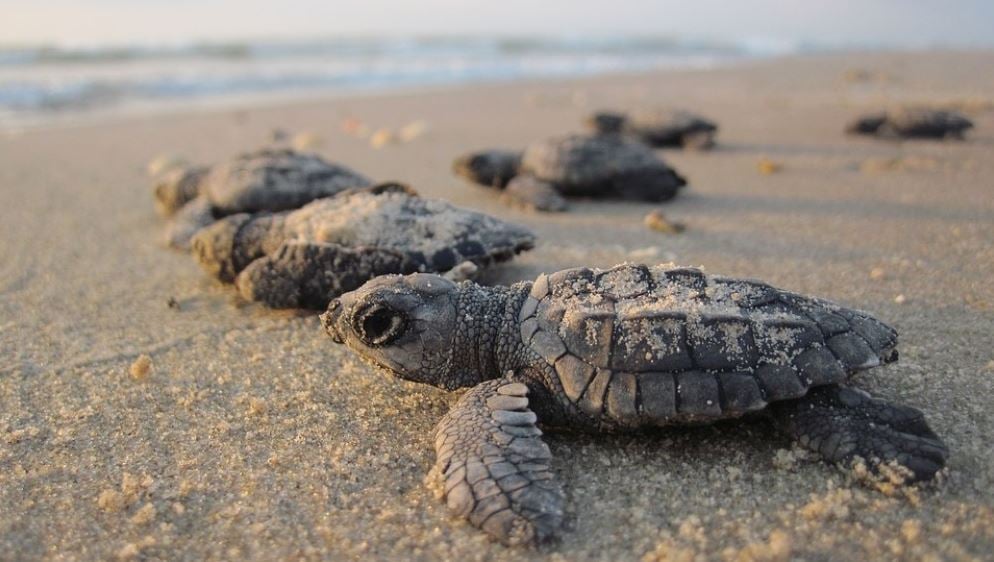
Approximately two months later, tiny hatchlings emerge from the nest and instinctively race toward the ocean, beginning a journey that few will survive—but those that do may eventually return to Tortuguero to repeat the cycle.
This remarkable event has made Tortuguero one of the most significant locations in the world for the conservation of the green sea turtle and a symbol of Costa Rica's commitment to protecting its natural heritage.
Visitors who experience a guided turtle nesting tour during the season often describe it as one of the most unforgettable wildlife encounters of their lives. Read more in our article on sea turtles in Tortuguero and our guide on the best time to visit Tortuguero.
3. The Rainforest Never Sleeps
One of the greatest misconceptions about Tortuguero is that visitors come only to see sea turtles.
While the turtle nesting season is undoubtedly one of the region's highlights, Tortuguero is a thriving rainforest ecosystem where wildlife can be observed throughout the year.
The combination of tropical rainforest, freshwater canals, rivers, lagoons, wetlands, and coastal habitats has created one of Costa Rica's richest concentrations of biodiversity.
Every day in Tortuguero begins with the sounds of the rainforest. Before sunrise, the calls of howler monkeys echo through the forest while toucans, parrots, herons, kingfishers, and dozens of other bird species become increasingly active.
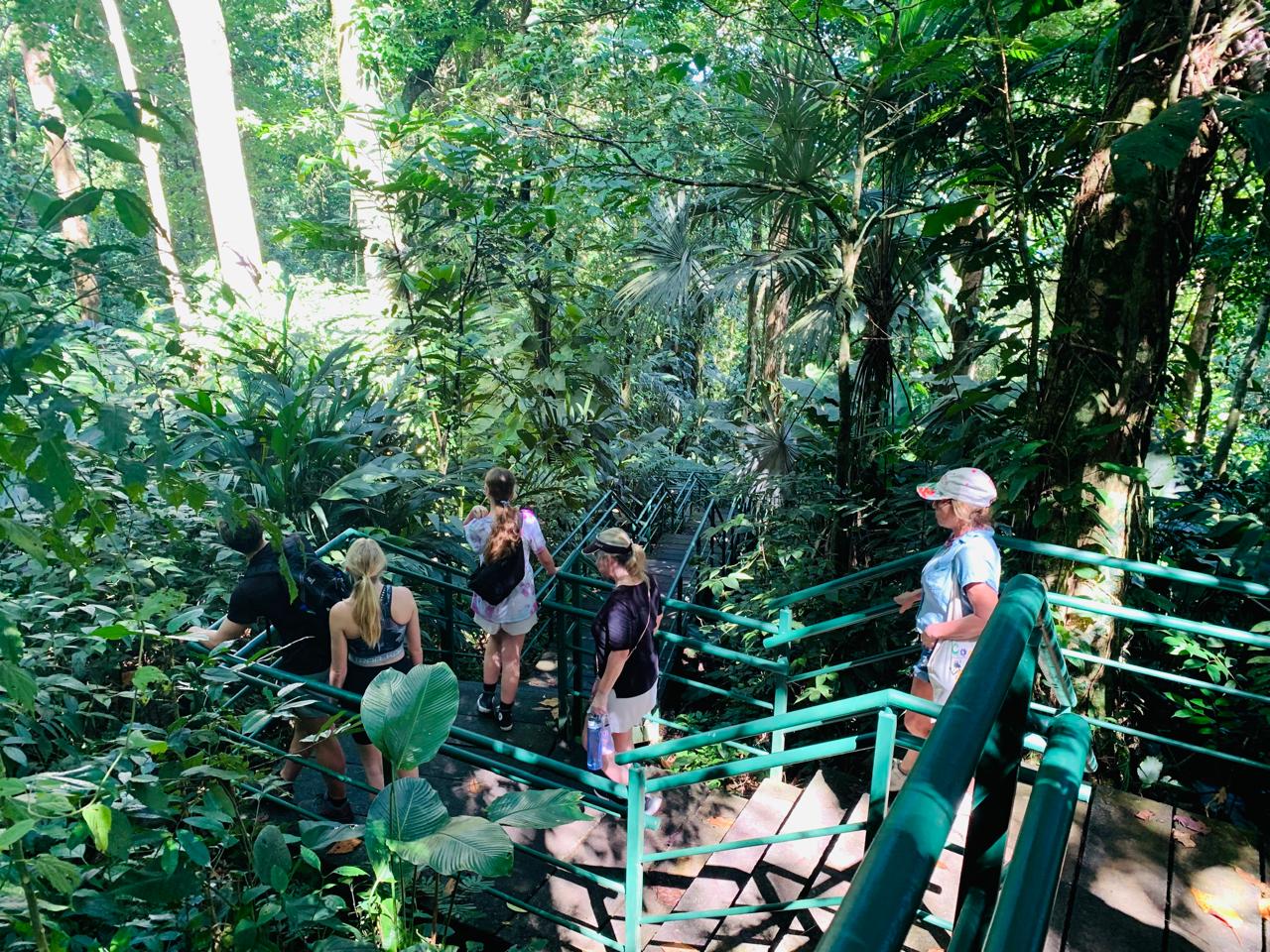
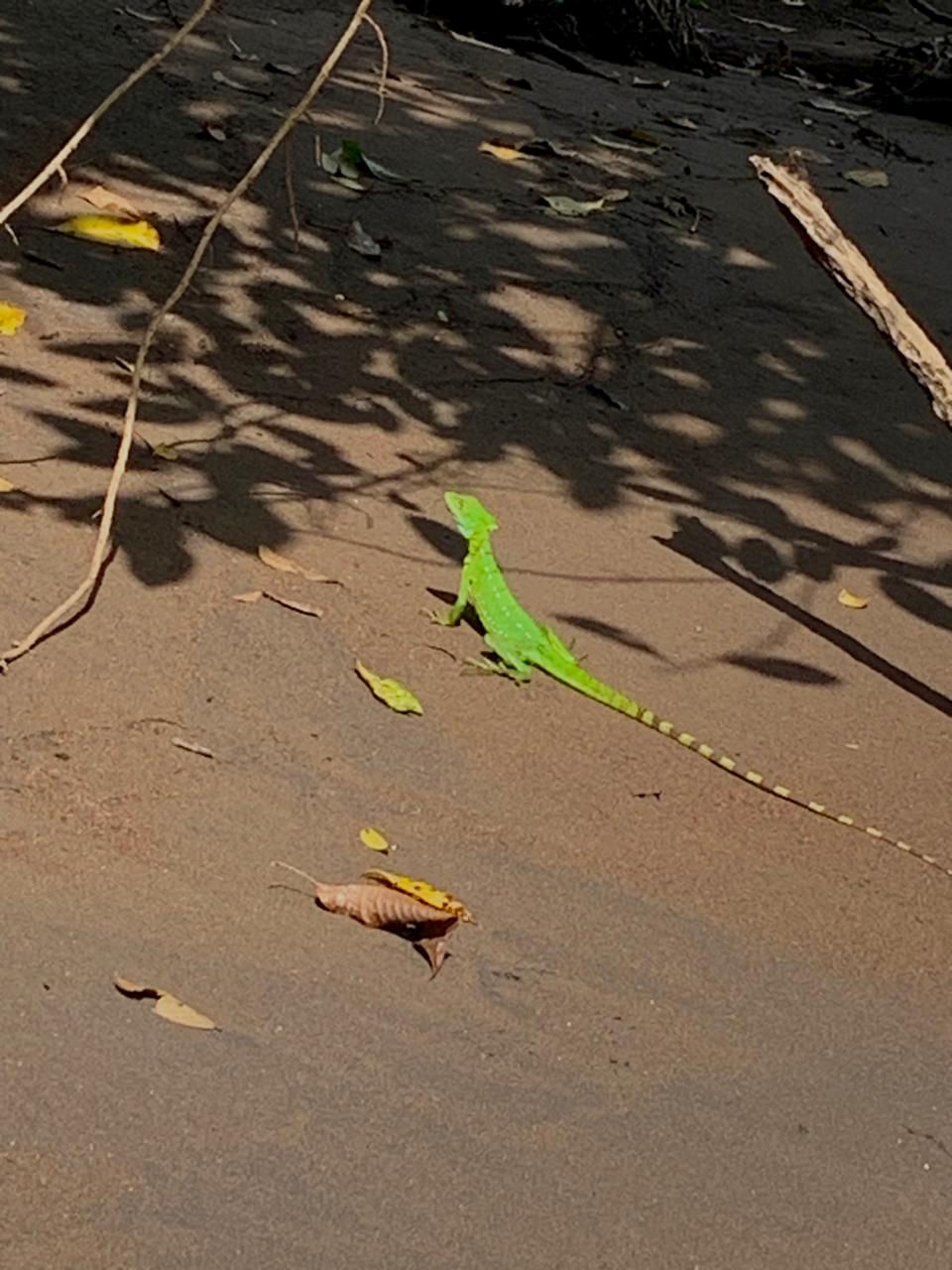
As the day unfolds, visitors may encounter white-faced capuchin monkeys moving through the canopy, three-toed sloths resting high in the trees, basilisk lizards running across the water's edge, caimans quietly floating in the canals, colorful poison dart frogs hidden among the vegetation, and butterflies that transform the forest into a living kaleidoscope.
No two excursions are ever exactly the same.
Wildlife sightings depend on weather conditions, water levels, seasonal changes, and the natural behavior of each species. That unpredictability is precisely what makes every visit unique.
Rather than observing animals in controlled environments, guests experience nature exactly as it exists—wild, free, and constantly changing.
For photographers, birdwatchers, families, and nature enthusiasts alike, Tortuguero offers an authentic wildlife experience that few places in the world can match. Meet the species that call this region home in The Hidden Residents of Tortuguero and our Tortuguero wildlife guide.
4. Tortuguero Is a Water World
To truly understand Tortuguero, you must first understand its waterways.
Long before roads connected much of Costa Rica, rivers and canals shaped life in this remote corner of the Caribbean.
Today, boats remain the primary means of transportation, linking local communities, lodges, conservation projects, and the national park itself.
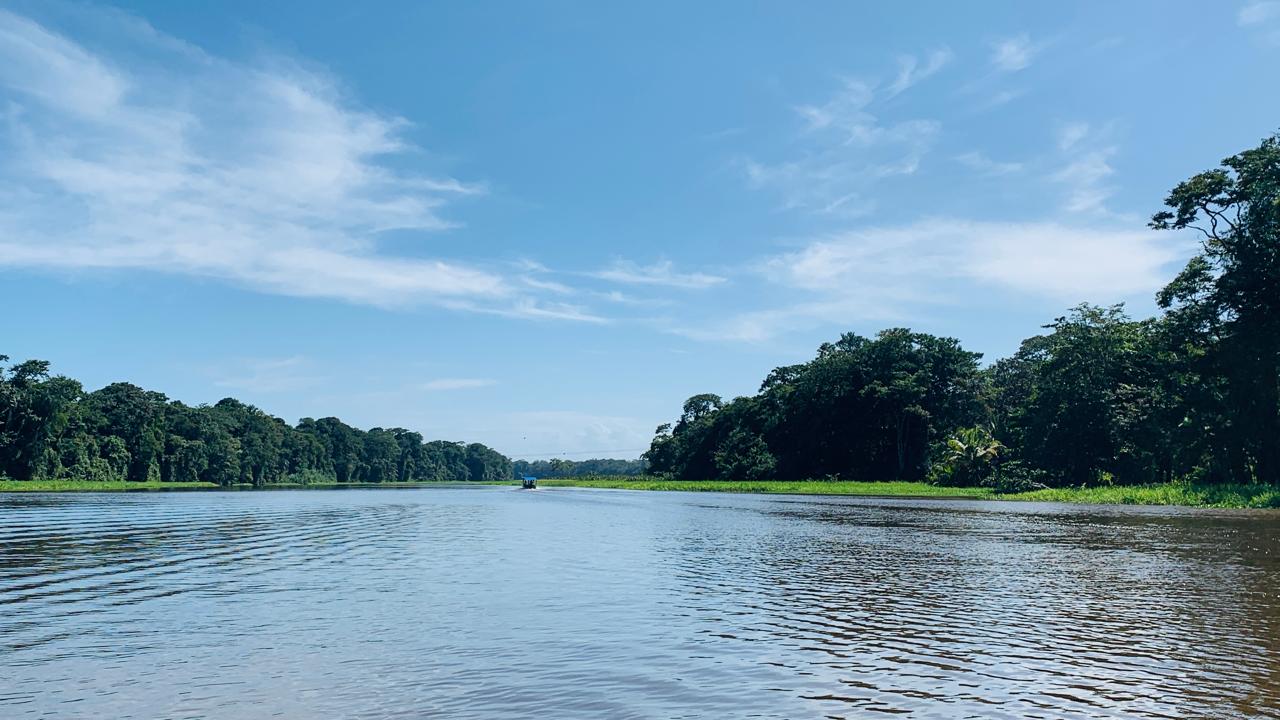
These waterways are much more than transportation routes—they are the lifeblood of the entire ecosystem.
Flowing through dense rainforest and protected wetlands, the canals provide habitat for countless species while offering visitors a peaceful and immersive way to explore the landscape.
Unlike traditional road safaris, a canal tour allows travelers to move quietly through the environment with minimal disturbance to wildlife.
As the boat glides slowly through narrow channels, every bend reveals something new: a crocodile resting on the riverbank, a troop of monkeys leaping through the canopy, a tiger heron standing motionless in the shallows, or a sloth barely visible among the branches.
This slower pace encourages observation, patience, and appreciation—qualities that define the true spirit of ecotourism.
For many visitors, exploring Tortuguero by boat becomes the highlight of their journey and the experience they remember long after returning home. Experience it firsthand on our One Day Tour to Tortuguero.
5. Every Visit Helps Protect Tortuguero
A trip to Tortuguero is more than a vacation—it is an opportunity to support one of Costa Rica's most important conservation success stories.
For decades, local communities, park authorities, researchers, guides, and responsible tourism operators have worked together to protect the region's extraordinary biodiversity while creating sustainable opportunities for future generations.
Responsible tourism plays a vital role in this balance.
By choosing guided experiences, staying in local lodges, hiring certified operators, and respecting wildlife regulations, visitors directly contribute to the local economy and reinforce the value of conserving natural habitats.
This model has helped transform conservation into a shared commitment between residents and travelers.
Every responsible visitor becomes part of a larger effort to protect nesting beaches, tropical rainforests, freshwater canals, and the countless species that depend on them.
The result is a destination where tourism and conservation work hand in hand—allowing future generations to experience the same extraordinary landscapes and wildlife that make Tortuguero one of the world's most remarkable natural destinations.
Conclusion
Tortuguero is far more than a destination famous for sea turtles.
It is a living rainforest, a labyrinth of canals, a sanctuary for wildlife, and a place where nature continues to shape daily life.
From arriving by boat through pristine waterways to witnessing one of the world's greatest wildlife migrations, every moment in Tortuguero offers a deeper appreciation for Costa Rica's extraordinary natural heritage.
Whether you dream of photographing exotic birds, observing monkeys in the rainforest, exploring peaceful canals, or experiencing the unforgettable nesting season of the green sea turtle, Tortuguero offers an adventure unlike anywhere else in the country.
At Jungle Tom Safaris, we have spent more than 29 years helping travelers discover this extraordinary destination through authentic, responsible, and unforgettable experiences.
We invite you to explore Tortuguero with local experts who are passionate about sharing the beauty, wildlife, and conservation story of one of Costa Rica's greatest treasures.
Discover Tortuguero. Discover Nature. Discover the Difference with Jungle Tom Safaris.
Frequently Asked Questions
1. Where is Tortuguero located?
Tortuguero is located on Costa Rica's northeastern Caribbean coast, within the province of Limón. It is surrounded by tropical rainforest, rivers, canals, and the Caribbean Sea, making it one of the country's most unique natural destinations.
2. Why are there no roads to Tortuguero?
Tortuguero's geography is dominated by rivers, wetlands, and canals. Because of this, there are no direct highways connecting the village to most of Costa Rica. Most visitors arrive by boat, while some choose domestic flights. Learn more in our transportation guide to Tortuguero.
3. When is the best time to visit Tortuguero?
Tortuguero is a year-round destination. If you want to witness the famous green sea turtle nesting season, the best months are July through October. Wildlife viewing, canal tours, rainforest exploration, and birdwatching can be enjoyed throughout the year. Read our complete guide on when to visit Tortuguero.
4. What animals can you see in Tortuguero?
Visitors frequently observe white-faced capuchin monkeys, howler monkeys, three-toed sloths, green iguanas, basilisk lizards, caimans, crocodiles, toucans, herons, kingfishers, poison dart frogs, and green sea turtles (seasonal). Because wildlife is completely wild, sightings vary every day. Explore our wildlife guide to Tortuguero and biodiversity overview.
5. Is one day enough to visit Tortuguero?
Yes. A One Day Tour is an excellent option for travelers with limited time. However, those wishing to enjoy sunrise wildlife activity, slower exploration, and a more immersive rainforest experience often choose a Two Day / One Night or Three Day / Two Nights itinerary.
6. Why is Tortuguero famous?
Tortuguero is internationally recognized for green sea turtle nesting, its extensive canal system, exceptional biodiversity, tropical rainforest, ecotourism, wildlife observation, and conservation efforts.
7. Is Tortuguero worth visiting?
Absolutely. Tortuguero offers an experience unlike anywhere else in Costa Rica. Its combination of rainforest, canals, wildlife, and conservation makes it one of the country's most remarkable destinations for nature lovers.